DISCOVER
Understand the world, and yourself.
Observe carefully and ask questions. Learn the knowledge needed to make sense of a problem. Along the way, notice what interests you and what you want to explore further.
OUR APPROACH
Children notice things, ask questions and imagine what could be different. At Aurawow, we want to give that curiosity somewhere to go.

DISCOVER
Observe carefully and ask questions. Learn the knowledge needed to make sense of a problem. Along the way, notice what interests you and what you want to explore further.
BECOME
Take on a task, explain a choice and work with others. When something is difficult, seek support and try a different approach. Confidence can grow through these experiences of making progress.
IMPACT
Think about who will use, see or benefit from your work. Listen to their feedback and consider what could be more useful. A meaningful contribution can begin with helping a teammate or making an explanation clearer.
PROJECT-BASED LEARNING
Project-Based Learning (PBL) organises learning around a meaningful question or challenge. Children investigate what they need to understand and apply that knowledge as they develop a response. A model, working device or presentation gives them a way to explain their thinking to others.
The project shapes the questions they ask and the knowledge they need. Testing and feedback help them judge what works, what needs attention and what to try next.
At Aurawow, we use this approach to guide our camp design. The depth of inquiry and the range of choices depend on the children’s readiness, the materials and the time available. Demonstrations, explanations and skill practice remain part of learning.
THE PROJECT LEARNING LOOP
Our project framework uses nine connected steps. We revisit them as new questions and evidence emerge.
Notice a situation, a need or something worth investigating.
Turn observations into a question the project can explore.
Learn through suitable experiments, sources and explanations.
Decide what the outcome needs to do and how to judge it.
Compare approaches and explain a choice where the project allows.
Create something that makes the idea possible to examine.
Gather information about how it works, within the agreed boundaries.
Use results and feedback to make a change, then check again.
Explain the outcome and the learning behind it. Reflect on what could come next.
In a guided engineering camp, children may work with a common structure and required assembly steps. Their thinking can still shape how they investigate a problem, contribute to the team or explain their results. More open design choices belong to projects that can support them.
HOW WE SUPPORT LEARNING
Children bring different interests and starting points. We aim to give each child a meaningful way to participate, with support suited to what they need next.
A question, a sketch or a practical demonstration can reveal a child’s thinking. We make space for different ways of expressing ideas and take those ideas seriously.
A first attempt provides information. We value specific feedback and time to make adjustments, so children can understand why something improved.
We connect concepts with what children can observe, use and explain. Thinking about a work’s purpose helps them understand why the knowledge matters.
SIX CORE ABILITIES
These abilities guide our learning goals. Each project focuses on the opportunities it can meaningfully provide.
Noticing a task that needs attention and offering to help.
Sharing resources, agreeing on tasks and supporting a teammate.
Explaining an idea and listening carefully to a different view.
Investigating a cause and checking whether a proposed fix works.
Considering a purpose or user’s need and making a reasoned improvement.
Seeking help, changing a strategy and finding a way to continue.
PROJECT SAMPLES
Everyday objects can open a path into science and engineering. These project samples show questions a learning activity could explore.
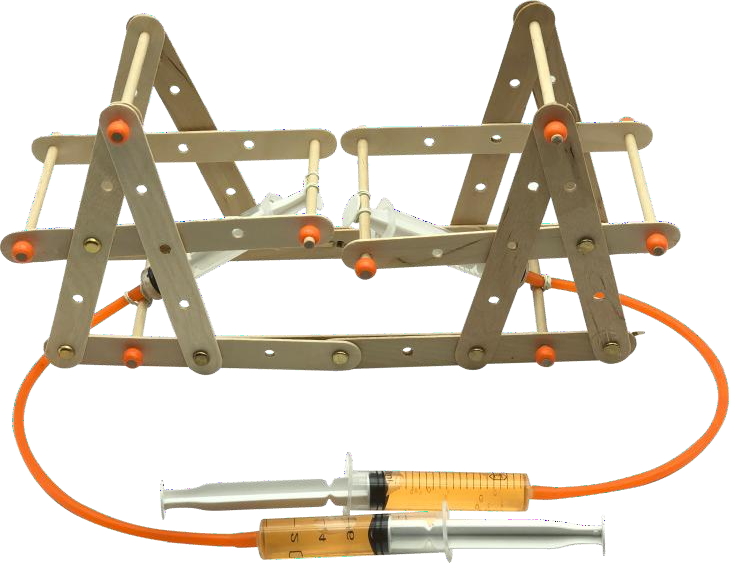
How can a movement in one part raise a bridge? Observe what changes and compare it with your prediction.
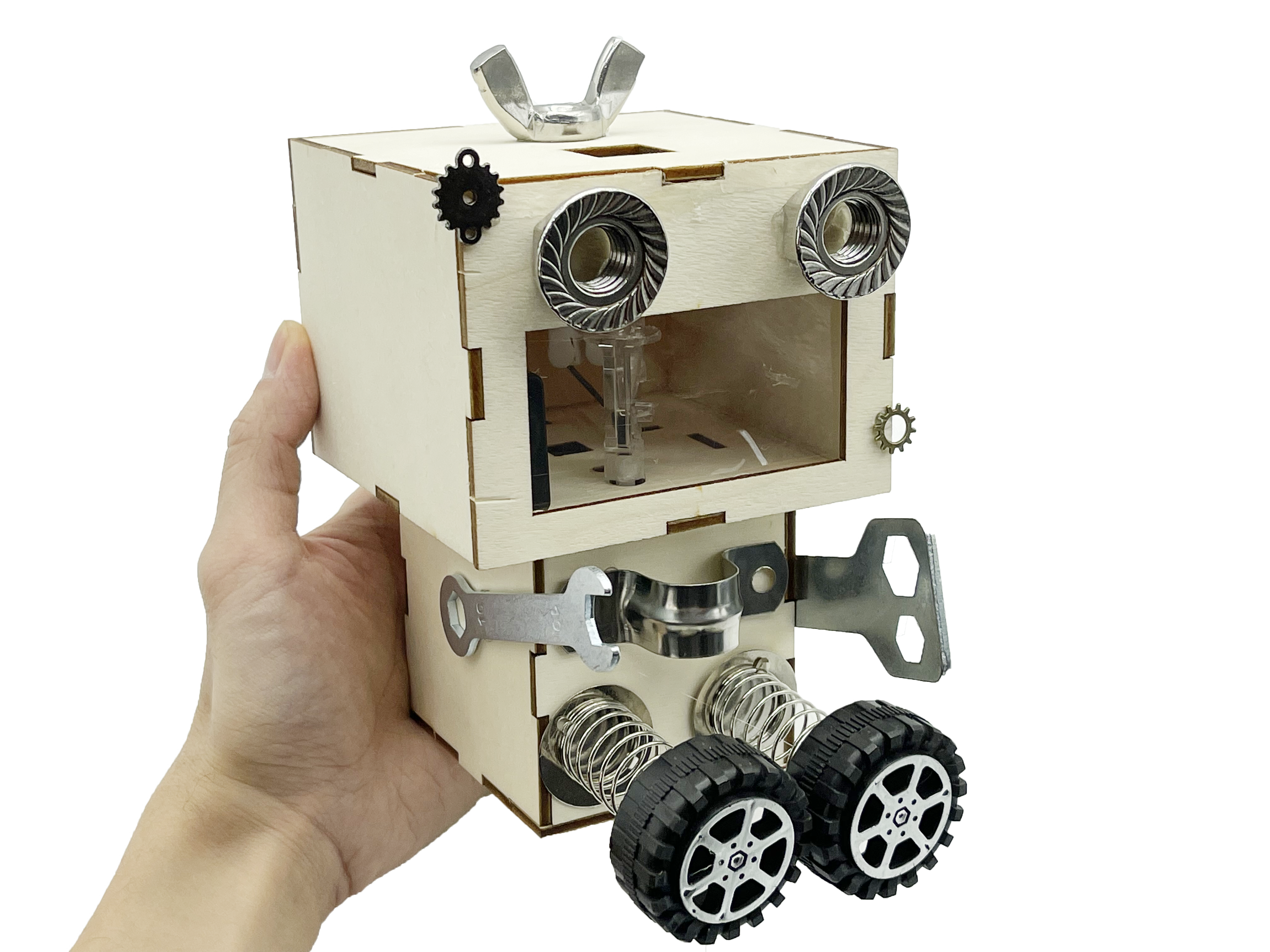
How can a useful object also be easy to understand and enjoyable to use? Examine how its function and form fit together.
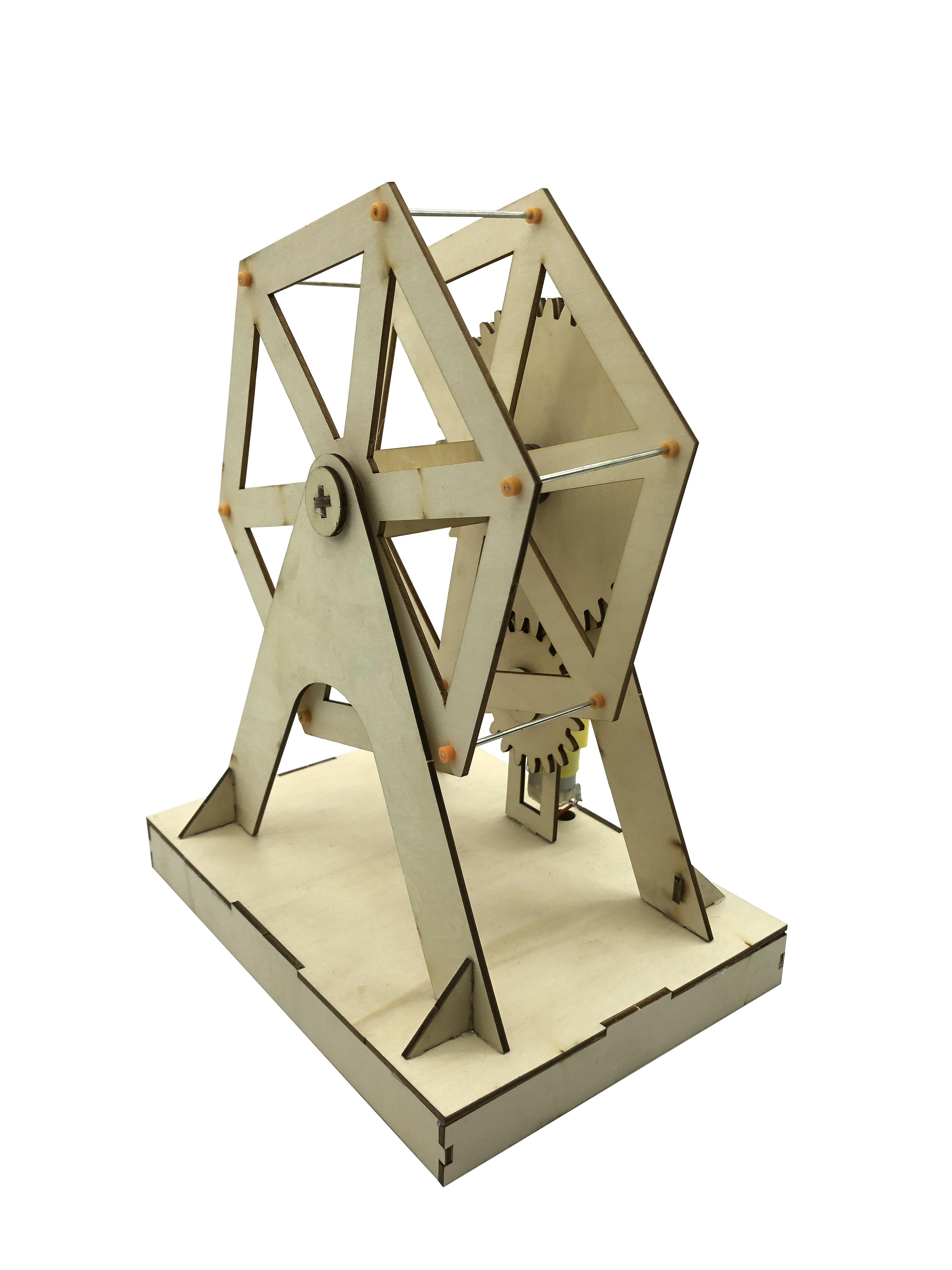
How do gears pass movement from one part to another? Follow the connections and explain what you notice.
Project samples for illustration. These are separate from the Formula Karting Camp activities.
REFLECTING ON LEARNING
A finished project gives us something to look at. A child’s explanation helps us understand the learning behind it. Photos, demonstrations and brief reflections can help children revisit these moments. We recognise that progress can look different for each child.
KEEP IN TOUCH
Questions about Aurawow or our camps? We'd be happy to hear from you.